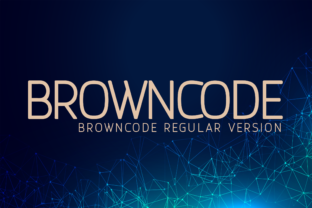
Browncode: An Elegant Sans Serif Typeface for Editorial Clarity
There is a specific moment in every editorial redesign when the noise settles, and you realize the typography has finally started to speak clearly. I experienced this recently while restructuring the visual identity of a lifestyle blog that had outgrown its initial, cluttered aesthetic. The goal was not just to look modern, but to feel calm, authoritative, and inviting. In searching through my library of Fonts, I needed something that could carry weight without shouting. That is when I turned to Browncode. As a wonderfully stylish and elegant Sans Serif font with perfectly balanced letters, it offered the exact blend of clarity and style required to deliver any message with absolute readability. This review explores how this typeface functions in real-world publishing scenarios, from digital headers to printable guides.
Establishing Visual Hierarchy in Digital Magazine Layouts
When working on a digital magazine layout or a long-form feature page, the primary challenge is guiding the reader’s eye through a complex structure of headlines, subheads, pull quotes, and body copy. Browncode excels in this environment because its letterforms are designed with a geometric precision that feels both contemporary and timeless. In my recent project, I used it exclusively for H1 and H2 headers. The result was an immediate uplift in the publication’s perceived value. Unlike some display fonts that sacrifice legibility for flair, Browncode maintains strict readability even at larger sizes. This makes it an ideal choice for editors who need their titles to command attention without overwhelming the surrounding content. The balance of the letters ensures that the white space around the text breathes naturally, creating a relaxed reading rhythm that keeps the audience engaged rather than fatigued.
Enhancing Readability for Newsletter Graphics and Headers
Email newsletters have become a critical touchpoint for independent creators and brands, yet they often suffer from poor typographic choices that hinder quick scanning. Using Browncode for newsletter headers transforms a standard update into a curated editorial experience. Because it is a Sans Serif font, it renders crisply across various email clients and devices, ensuring that your message retains its integrity whether viewed on a desktop monitor or a mobile phone. I tested this by redesigning the header graphics for a weekly coaching newsletter. The clean lines of Browncode allowed the subject matter—mindfulness and productivity—to feel organized and serene. It delivers clarity with style, proving that functional typography can also be deeply aesthetic. For publishers looking to elevate their brand identity through consistent, high-quality visuals, this font provides a reliable foundation that supports both short announcements and longer editorial introductions.
Creating Cohesive Identity in Ebooks and Printable Planners
The market for digital products, such as recipe ebooks, wedding guides, and printable planners, is saturated with generic templates. Standing out requires a distinct typographic voice that aligns with the product’s mood. Browncode is particularly effective here because it bridges the gap between formal elegance and approachable modernity. When designing a recipe ebook, for instance, the chapter titles need to feel inviting rather than instructional. Browncode achieves this with its soft yet structured curves. I applied it to the cover and section dividers of a minimalist wedding guide, and the effect was instantaneous sophistication. The font’s perfectly balanced letters create a sense of order and calm, which is precisely the emotional response desired in planning materials. It allows the content to shine while providing a sturdy, stylish framework. For course creators and authors, using a premium font like this signals professionalism and care, encouraging readers to trust the material before they have even read the first paragraph.
Strategic Font Pairing for Long-Form Content and Body Copy
While Browncode is a powerful tool for headlines, subtitles, and decorative accents, it is essential to understand its role within a broader typographic system. As a display-oriented Sans Serif, it is best suited for titles, pull quotes, and short bursts of text rather than dense paragraphs. For long-form content, pairing it with a highly readable serif font for the body copy creates a classic editorial contrast that enhances comprehension. Alternatively, pairing it with a neutral, clean sans serif for captions and navigation elements maintains a modern, monochromatic look. In my blog redesign, I paired Browncode headers with a traditional serif for the article body. This combination leveraged the strength of Browncode to grab attention and the comfort of the serif to sustain reading. Understanding these dynamics is crucial for any designer building a cohesive brand identity. It ensures that the font supports the content structure rather than competing with it, allowing for a seamless flow from headline to conclusion.
Practical Considerations for Commercial Licensing and File Formats
Before integrating Browncode into client projects or commercial products, it is vital to review the technical specifications and licensing terms. Professional designers know that the utility of a font extends beyond its visual appeal to its functionality in various formats. Whether you are creating social media graphics, packaging design, or web design assets, ensuring you have the correct file formats is non-negotiable. Browncode is designed to be versatile, but checking for included styles, weights, and multilingual support will determine its suitability for global audiences or diverse design needs. For those selling printables, templates, or paid newsletters, securing the appropriate commercial font license protects your business and respects the creator’s work. Additionally, testing the font in PDF exports and print materials ensures that the elegant details remain sharp and clear. By treating Browncode as a core component of your design assets, you invest in a tool that offers longevity and adaptability. It is not just a temporary trend but a foundational element for building a refined, readable, and stylish publication identity.