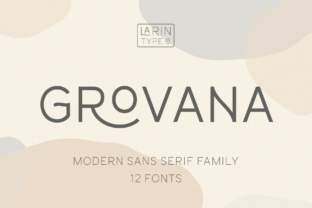
Grovana: A Modern Sans Serif Font for Web Design
I was staring at a hero section for a boutique lifestyle brand, trying to solve a common digital design problem. The layout was clean, the photography was stunning, but the headline felt flat. It lacked personality. I needed a typeface that could bridge the gap between modern minimalism and genuine warmth. That is when I started testing Grovana, an interesting sans serif font with modern appeal that promises to add a charming touch to any design. As a web designer, I am always cautious about switching fonts mid-project, but the immediate visual shift was undeniable. Grovana brought a level of sophistication and approachability that standard system fonts simply could not match.
Testing Grovana in Hero Sections and Landing Pages
When you are building a high-converting landing page, the first three seconds matter. Users scan headlines before they read body copy. I dropped Grovana into the main H1 tag of the project, setting it against a soft, neutral background. The result was instant clarity. Unlike some decorative fonts that sacrifice legibility for style, Grovana maintains excellent readability while offering distinct character. Its sans serif structure ensures that letters remain open and accessible, even at larger display sizes. This makes it an ideal choice for hero sections where you need to grab attention without overwhelming the user. The modern appeal of the font helps establish trust quickly, signaling to visitors that the brand is current, professional, and detail-oriented.
I also experimented with Grovana in call-to-action buttons. Often, designers stick to safe, generic fonts for UI elements to ensure clarity. However, using Grovana for short phrases like "Shop Now" or "Learn More" added a subtle layer of polish. The font’s geometry is balanced, meaning it does not look too rigid or too casual. It sits comfortably in that sweet spot of premium digital aesthetics. For anyone curating a digital brand kit, having a versatile sans serif font that works for both massive headers and interactive buttons is invaluable. It creates a cohesive visual language that guides the eye naturally through the page.
Enhancing Brand Identity with Charming Typography
Brand identity is more than just a logo; it is the feeling a user gets when interacting with your online presence. Grovana excels here because it injects personality without being loud. In the context of a coaching website or a creative portfolio, you want to appear authoritative yet welcoming. I found that Grovana achieved this balance effortlessly. When used for section headings, it breaks up long blocks of text and provides clear visual hierarchy. The charming touch it adds to the design helps humanize the brand, making it feel less like a corporate entity and more like a curated experience.
For online store owners, typography can significantly impact perceived value. I applied Grovana to product titles and promotional banners. The clean lines of the sans serif font allowed the product images to shine, while the unique curves of the letters added a touch of elegance. This is crucial for boutiques selling handmade goods, fashion, or lifestyle products. The font does not compete with the imagery; instead, it complements it. By choosing Fonts like Grovana, you are making a deliberate statement about quality. It suggests that every element of the website, down to the typeface, has been carefully considered. This attention to detail builds brand trust and encourages users to engage deeper with the content.
Readability and Performance on Mobile Devices
In today’s mobile-first world, a font must perform flawlessly on small screens. I tested the Grovana implementation across various device widths, from large desktop monitors to compact smartphones. The results were promising. The letterforms are distinct enough to prevent confusion, even at smaller sizes. For body copy, I paired Grovana with a highly legible secondary sans serif font to ensure optimal reading comfort. However, for subheadings and pull quotes, Grovana stood on its own. Its open apertures and consistent stroke weight make it easy to scan quickly, which is essential for users browsing on the go.
Dark mode compatibility is another critical factor for modern web design. I checked how Grovana rendered on dark backgrounds, a popular trend in SaaS and tech-focused websites. The font maintained its clarity and did not suffer from visual vibration or blurring. This versatility makes it a reliable choice for diverse design environments. Whether you are designing a light, airy blog or a sleek, dark-themed app interface, Grovana adapts well. For UI designers, knowing that a font will remain crisp and readable across different themes and resolutions reduces development friction and ensures a consistent user experience.
Strategic Font Pairing for Digital Layouts
No font exists in isolation. The true power of Grovana emerges when you pair it effectively with other typefaces. Since Grovana is a sans serif font with a modern aesthetic, it pairs beautifully with traditional serif fonts for a classic editorial look. I tried combining it with a high-contrast serif for body text on a long-form article page. The juxtaposition created a dynamic tension that kept the reader engaged. The modernity of Grovana grounded the design, while the serif added a touch of tradition and authority. This combination is particularly effective for online magazines, news portals, or educational course platforms where readability and style are equally important.
Alternatively, for a ultra-minimalist approach, I paired Grovana with a neutral, geometric sans serif. This monochromatic typography strategy is popular in modern web design for its clean, uncluttered look. It allows the content to take center stage while maintaining a sophisticated visual rhythm. When selecting Fonts for a project, considering these pairing possibilities early in the design process saves time later. Grovana’s neutral yet charming nature makes it a flexible partner. It does not dominate the layout but rather enhances the overall composition. This flexibility is why it is becoming a go-to choice for designers working on varied projects, from corporate websites to personal blogs.
Licensing and Technical Considerations for Web Use
Before finalizing any font choice for a client project, technical due diligence is essential. I reviewed the file formats and webfont availability for Grovana. Ensuring that the font loads quickly and renders correctly across all browsers is non-negotiable for performance-focused web design. Grovana comes in standard web-ready formats, making integration into CSS straightforward. For commercial projects, verifying the licensing terms is crucial. Whether you are building a site for a small business, a large enterprise, or an e-commerce platform, using properly licensed Fonts protects you and your client from legal issues. Grovana’s licensing options typically cover web use, allowing you to embed the font securely on your domain.
Additionally, I checked for multilingual support. In an increasingly global digital landscape, your font needs to handle various character sets if you plan to expand internationally. Grovana supports a wide range of languages, which is a significant advantage for brands targeting diverse audiences. This inclusivity ensures that your brand identity remains consistent regardless of the user’s location. For web designers and developers, having a font that is both aesthetically pleasing and technically robust simplifies the handoff process. It reduces the need for fallbacks and ensures that the design intent is preserved from the mockup stage to the live site. Choosing a premium font like Grovana is an investment in the long-term quality and scalability of your digital products.