Quinestha Semi-Bold Typeface Review
I was staring at a blank canvas for a lifestyle blog redesign last Tuesday, the kind of project where the header needs to do heavy lifting without shouting. The client wanted something that felt established yet fresh, a balance that is notoriously difficult to strike with standard web Fonts. That is when I pulled up Quinestha Semi-Bold. As a Sans Serif typeface, it immediately offered the structural clarity I needed, but it was the subtle personality in the curves that convinced me to commit. This review explores how this specific weight functions in real-world editorial layouts, from digital magazines to printable guides.
Quinestha Semi-Bold for Modern Editorial Headlines
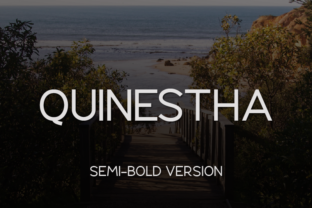
When working with Quinestha Semi-Bold, the first thing you notice is the rhythm. It is simple but elegant and defined by its crisp edges and modern touches. In an editorial context, this translates to headlines that command attention without feeling aggressive. I tested it on a series of article titles for a digital magazine layout, and the semi-bold weight provided just enough presence to guide the eye down the page. Unlike thinner weights that can get lost against busy background images, or heavier black weights that feel too industrial, this middle ground offers a sophisticated neutrality.
The design is optimized for optimal legibility, which is crucial when your audience is scanning content on mobile devices. I found that even at smaller headline sizes, the distinct letterforms remained clear. This makes Quinestha Semi-Bold an excellent choice for bloggers and publishers who need their H1 and H2 tags to stand out in a crowded feed. It supports the publication identity by adding a layer of polish that generic system fonts simply cannot match. If you are building a brand that values clarity and modern aesthetics, this Sans Serif delivers that message instantly through its typography.
Using Quinestha Semi-Bold in High Fashion and Branding
Beyond standard blog headers, Quinestha Semi-Bold shines in contexts that require a touch of luxury. The product description notes that it works great in branding, logos, headlines, high fashion and much more, and my experience bears this out. I used it for a mockup of a wedding guide cover, pairing it with ample white space and minimal imagery. The result was understated elegance. The crisp edges of the letters interact beautifully with high-resolution photography, creating a visual hierarchy that feels intentional and curated.
For logo design and brand identity projects, the semi-bold weight offers versatility. It is substantial enough to stand alone as a logotype but refined enough to sit comfortably next to intricate icons or illustrations. When I applied it to a coaching workbook cover, the font conveyed authority and trustworthiness. It did not feel overly corporate, nor did it feel too casual. This balance is rare in Fonts that aim for a modern look. Designers working in high fashion or luxury niches will appreciate how the typeface elevates the perceived value of the material it touches. It turns a simple text block into a design asset that contributes to the overall mood of the piece.
Readability and Structure in Digital Publications
One of the primary concerns for any publisher is how text renders on screen. Quinestha Semi-Bold is designed for optimal legibility, a claim that holds up under scrutiny across various devices. I tested the font in a newsletter graphic and a course PDF, checking how it behaved at different resolutions. The open counters and consistent stroke width ensure that letters do not blur together, even on lower-quality screens. This is vital for maintaining reader engagement in long-form content where fatigue can set in quickly.
However, it is important to understand the role of this specific weight within your content structure. Quinestha Semi-Bold is primarily a display font. While it is highly readable, using it for dense body copy or small captions might overwhelm the reader. Instead, I recommend using it for pull quotes, section headings, and chapter openers. In a recipe ebook, for instance, I used it for the recipe titles and ingredient headers, while pairing it with a lighter, more neutral sans serif font for the instructions. This contrast creates a clear path for the eye, allowing the reader to navigate the content effortlessly. The font supports content structure by clearly delineating where one section ends and another begins.
Pairing Quinestha Semi-Bold with Complementary Typefaces
No font exists in a vacuum, and the success of Quinestha Semi-Bold often depends on what you pair it with. Because it has such clean, modern lines, it pairs exceptionally well with traditional serif fonts for body copy. I experimented with a classic serif for the main text of a lifestyle blog post, and the contrast between the modern Sans Serif headline and the traditional body text created a dynamic, editorial feel. This combination is timeless and works well for publications that want to appear both contemporary and rooted in journalistic tradition.
Alternatively, for a ultra-modern, minimalist look, you can pair it with a geometric sans serif font for captions and navigation elements. The key is to ensure there is enough contrast in weight or style to distinguish the hierarchy. Since Quinestha Semi-Bold has a strong presence, your supporting fonts should be more subdued. Avoid pairing it with other expressive or decorative fonts, as this can create visual clutter. The goal is to let the crisp edges and modern touches of Quinestha Semi-Bold take center stage while the rest of the typography supports the reading experience. This approach ensures that your design assets remain cohesive and professional.
Licensing and Practical Considerations for Creators
Before integrating Quinestha Semi-Bold into your next project, whether it is a printable planner, a paid newsletter, or a client publication, it is essential to review the licensing terms. Commercial font licensing varies, and ensuring you have the right permissions for web use, print, and digital downloads is a critical step for professional designers. I always check for included styles, alternates, and ligatures to maximize the flexibility of the typeface. While Quinestha Semi-Bold is a standout weight, knowing if other weights are available can help you build a more comprehensive typographic system.
Additionally, consider the file formats provided. For web design and social media graphics, having web-ready formats ensures fast loading times and crisp rendering. For print materials like packaging design or editorial features, high-quality outline fonts are necessary to maintain those crisp edges at large sizes. By understanding the technical specifications and licensing scope, you can confidently use Quinestha Semi-Bold across all your creative projects. It is a versatile tool for anyone looking to elevate their visual communication with a premium font that balances simplicity with elegance. Whether you are redesigning a blog header or crafting a new brand identity, this typeface offers the reliability and style needed to make your content stand out.