Starla Belovia: A Handwritten Typeface for Modern Editorial Design
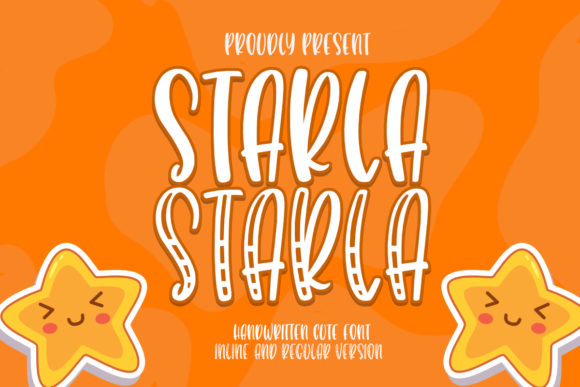
When I began redesigning the header for a lifestyle blog focused on slow living and artisanal crafts, I needed a typeface that could bridge the gap between professional polish and human warmth. The existing layout felt too rigid, relying on standard geometric shapes that failed to capture the organic nature of the content. This is where Starla Belovia entered the workflow. As a fun and beautiful handwritten font, it offered the authentic feel necessary to soften the digital interface while maintaining structural integrity. In the world of Fonts, finding a balance between legibility and personality is often a challenge, but this specific Sans Serif-inspired script manages to deliver both, making it an ideal candidate for publishers and designers seeking a distinct visual voice.
Creating Authentic Brand Identity with Starla Belovia
In contemporary brand development, authenticity is not just a buzzword; it is a measurable asset that drives consumer trust. Starla Belovia serves as a powerful tool in establishing this trust through its natural rhythm and irregular stroke widths. Unlike mechanical typefaces that repeat perfect curves, this font mimics the subtle variations of hand-lettering, which creates an immediate emotional connection with the reader. When used in logo design or primary brand headers, it signals approachability and creativity. For independent content creators, such as coaches or boutique shop owners, integrating this font into their visual identity helps differentiate their brand from competitors who rely on generic corporate typography. The font’s ability to convey a relaxed yet refined mood makes it particularly effective for industries centered around wellness, creativity, and personal storytelling.
Designing Gorgeous Wedding Invitations and Stationery Art
The wedding industry relies heavily on the tactile and visual experience of printed materials. Couples often seek designs that feel personal and bespoke, rather than mass-produced. Starla Belovia excels in this niche, allowing designers to create gorgeous wedding invitations that exude elegance without stiffness. Its flowing lines work beautifully for couple names and date headers, providing a focal point that draws the eye immediately. Beyond invitations, this font is exceptional for beautiful stationary art, including save-the-date cards, menu cards, and place settings. The handwritten aesthetic adds a layer of intimacy that formal serif fonts often lack. When paired with a clean, minimal background, the typography becomes the primary decorative element, reducing the need for excessive graphical embellishments. This simplicity not only lowers printing costs but also enhances the perceived value of the design through thoughtful typographic hierarchy.
Enhancing Readability in Quotes and Social Media Graphics
Digital content consumption is rapid, and capturing attention requires strong visual hooks. Starla Belovia is particularly effective for creating impactful quotes and social media graphics that stop the scroll. Its distinct character ensures that short phrases stand out against busy backgrounds or photographic elements. For bloggers and newsletter writers, using this font for pull quotes within an article breaks up dense text and provides visual relief for the reader. However, readability considerations are crucial. While Starla Belovia is highly legible at larger sizes, it is best reserved for headlines, subheadings, and short statements rather than long paragraphs. Using it for body copy can strain the eye, especially on mobile devices where screen real estate is limited. By restricting its use to decorative accents and key messages, designers maintain a clear information hierarchy that guides the reader through the content structure efficiently.
Applying Starla Belovia in T-Shirt Designs and Merchandise
The rise of print-on-demand services has empowered creators to launch merchandise lines with minimal upfront investment. Starla Belovia translates exceptionally well to t-shirt designs, where the message is often the primary selling point. Its casual, handwritten style appeals to audiences looking for apparel that feels unique and expressive. Whether used for inspirational mantras, humorous slogans, or minimalist brand logos, the font adds a human touch that machine-generated text cannot replicate. When preparing files for print, it is essential to ensure that the strokes are thick enough to remain visible on fabric textures. Designers should test the font at various scales to confirm that the intricate details of the handwritten style do not get lost during the printing process. This attention to detail ensures that the final product maintains the high-quality aesthetic promised by the digital preview.
Strategic Font Pairing for Editorial Layouts and Publications
No font exists in isolation, and the success of Starla Belovia in a layout often depends on its pairing with complementary typefaces. Since it is a display font with strong personality, it pairs best with neutral, highly readable bodies of text. A classic serif font works well for long-form articles, providing a traditional contrast to the modern handwritten header. Alternatively, a clean sans serif font can be used for captions, navigation menus, and footnotes to maintain a contemporary feel. The key is to avoid pairing it with other decorative or script fonts, which can create visual clutter and confuse the reader. By establishing a clear distinction between the headline font and the body text, designers create a structured layout that is both aesthetically pleasing and easy to navigate. This strategic approach to font pairing enhances the overall professionalism of the publication, whether it is a digital magazine, an ebook, or a printable planner.
Licensing and Technical Considerations for Commercial Use
Before integrating Starla Belovia into client projects or commercial products, it is vital to review the licensing terms thoroughly. Most premium fonts offer different licenses for personal and commercial use, and understanding these distinctions protects both the designer and the client. For those creating digital products such as course PDFs, templates, or paid newsletters, ensuring that the font license covers these uses is non-negotiable. Additionally, checking for included styles, alternates, and ligatures can expand the creative possibilities of the font. Some versions may offer swashes or alternate characters that allow for further customization, enabling designers to create unique logos or monograms. Verifying file formats and multilingual support is also important for projects targeting international audiences. By addressing these technical details early in the design process, creators can avoid legal issues and ensure a smooth workflow from concept to final delivery.