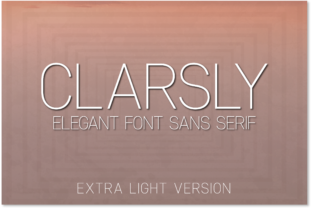
Clarsly Extra Light: A Refined Typeface for Modern Editors
There is a specific moment in every editorial redesign when the noise fades, and you realize the layout needs less weight and more breath. I encountered this recently while restructuring the visual identity of a lifestyle blog that had become cluttered with heavy headers and aggressive branding. The goal was to shift from loud to luxurious, creating space for the content to speak. This is where Clarsly Extra Light entered the conversation. As a member of the broader Sans Serif family, this typeface offers a minimalist and modern aesthetic that feels instantly elegant. It is not just about choosing new Fonts; it is about selecting a voice that aligns with a calmer, more thoughtful reader experience.
Establishing Visual Hierarchy with Clarsly Extra Light in Editorial Layouts
When working with Clarsly Extra Light, the first thing you notice is its delicate presence on the page. In editorial design, hierarchy is everything, and this font excels at creating subtle distinctions without shouting. I tested it extensively on large-format headers for a digital magazine feature. Because Clarsly is minimalist and modern, but also elegant, it allows for generous letter-spacing, which adds a layer of sophistication often missing in standard web typography. This versatility means it works seamlessly across various applications, ranging from body text to headlines, ensuring that the visual flow remains uninterrupted.
The extra light weight is particularly effective for pull quotes and section dividers. In a recent coaching workbook project, I used Clarsly Extra Light for introductory chapter titles. The thin strokes created a soft entry point for the reader, reducing the cognitive load before diving into dense instructional content. Unlike heavier Sans Serif options that can feel imposing, this typeface invites the eye in gently. It guarantees to add a timeless touch to your projects, making it an ideal choice for brands that want to convey authority without aggression. For publishers and bloggers, this means your headers can be prominent yet polite, guiding the reader through the narrative with grace.
Enhancing Readability and Mood in Digital Newsletters and Blogs
Digital reading environments demand clarity, but they also crave personality. Many creators struggle to find Fonts that balance these two needs, often sacrificing style for legibility or vice versa. Clarsly Extra Light bridges this gap effectively. When I redesigned a weekly newsletter for a wellness brand, the previous bold headers felt too corporate for the intimate content being shared. Switching to Clarsly Extra Light transformed the mood entirely. The font’s clean lines and open counters ensure that even at smaller sizes, the text remains crisp and readable on mobile devices.
This versatility is crucial for modern content creators who publish across multiple platforms. Whether you are designing social media graphics or PDF exports for a course, the consistency of Clarsly Extra Light helps maintain brand identity. It is guaranteed to add a timeless touch to your visual assets, ensuring that your content looks professional and polished regardless of the medium. However, it is important to note that due to its light weight, this font is best suited for larger text sizes or high-contrast backgrounds. Using it for long paragraphs of body copy on low-resolution screens might reduce readability, so pairing it with a more robust serif or sans serif for the main text is a smart strategic move.
Pairing Clarsly Extra Light with Serif and Sans Serif Fonts for Brand Identity
No font exists in isolation, and the true power of Clarsly Extra Light is revealed in its pairings. In editorial design, contrast creates interest. I found that combining this delicate Sans Serif with a classic serif font for body text creates a beautiful tension that keeps readers engaged. For a wedding guide ebook, I paired Clarsly Extra Light with a traditional serif for the narrative sections. The result was a layout that felt both contemporary and rooted in tradition, appealing to a modern bride who values elegance. The minimalist nature of Clarsly allows the serif font to take center stage in the reading experience, while Clarsly handles the structural elements like titles and captions.
Alternatively, for a more ultra-modern look, pairing Clarsly Extra Light with a geometric sans serif can create a sleek, tech-forward aesthetic. This approach works well for startup blogs or digital product landing pages. The key is to ensure that the secondary font has enough weight to ground the design. Since Clarsly is minimalist and modern, but also elegant, it acts as a neutral canvas that enhances rather than competes with other design elements. When selecting Fonts for your brand identity, consider how Clarsly’s lightness can provide breathing room in crowded layouts, allowing your images and primary text to shine.
Practical Considerations for Licensing and File Formats in Commercial Projects
Before integrating Clarsly Extra Light into client work or commercial products, it is essential to review the technical specifications. Professional designers know that the right file formats can make or break a workflow. Ensure that the font package includes the necessary weights and styles for your specific needs. While Clarsly Extra Light is perfect for headlines and display purposes, check if the family includes bolder weights for emphasis or italics for nuance. This versatility ensures that you have a complete toolkit for various design challenges, from bold call-to-action buttons to subtle footnotes.
Licensing is another critical factor. Whether you are creating printable planners, paid newsletters, or client publications, verify that your license covers commercial use. High-quality Sans Serif fonts like Clarsly are investment pieces for your design library. They offer reliability and aesthetic value that free alternatives often lack. By choosing a premium font, you signal to your audience that you care about the details. The timeless quality of Clarsly Extra Light means it will not look dated in a year or two, providing long-term value for your brand identity. Always test the font in your intended medium—whether print or web—to ensure that the extra light weight renders correctly and maintains its elegant character.