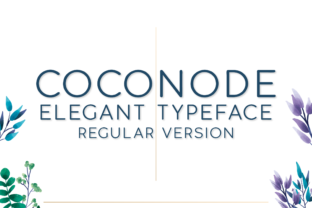
Coconode Typeface Review for Modern Branding
I was staring at a blank brand board for a local ceramic studio last Tuesday, trying to find a typeface that felt both handmade and precise. The client wanted something that echoed the clean lines of their pottery but retained a warm, approachable vibe. I scrolled through my library of Fonts, skipping over the usual suspects until I landed on Coconode. It is a gorgeously unique sans serif font that combines perfect readability with a clean and modernist lettering design, and it immediately changed the trajectory of that project. As a designer who tests dozens of typefaces weekly, finding one that balances character with utility is rare. Here is my honest take on how Coconode performs in real-world branding scenarios.
Testing Coconode for Logo Design and Brand Identity
When I first dropped Coconode into a logo draft, the immediate impression was one of understated confidence. Many sans serif options feel either too corporate or too playful, but this font sits comfortably in the middle. For the ceramic studio, I used it as the primary logotype. The letters have a geometric foundation but with subtle quirks that prevent them from feeling sterile. In logo design, you need a typeface that scales well, and Coconode holds its shape beautifully whether it is stamped small on the bottom of a mug or blown up large on a storefront sign. The clean and modernist lettering design ensures that the brand feels current without chasing fleeting trends. If you are building a brand identity that needs to feel trustworthy yet fresh, this font is a strong contender. It works particularly well for creative studios, boutique retailers, and lifestyle brands that want to avoid the heaviness of traditional serif fonts.
Coconode for Packaging Design and Product Labels
Packaging design is where typography often makes or breaks a product’s shelf appeal. I tested Coconode on a mockup for a small-batch skincare line, placing it on minimalist glass bottles. The result was striking. Because Coconode is a gorgeously unique sans serif font that combines perfect readability with a clean and modernist lettering design, it allowed the product details to shine without clutter. On small labels, legibility is critical. Some decorative fonts fail here, becoming blurry or indistinct at smaller sizes. However, the open counters and balanced spacing of Coconode maintained clarity even when printed at 8 points. This makes it an excellent choice for ingredient lists, batch numbers, and short product descriptions. For entrepreneurs and online shop owners, using a font like this can elevate the perceived value of your physical products. It suggests attention to detail and a premium quality that resonates with modern consumers. Just ensure you have high-resolution files for print to keep those clean edges sharp.
Using Coconode in Web Design and Digital Headers
Moving from print to screen, I integrated Coconode into a website header for a freelance photographer’s portfolio. Web design demands typefaces that load quickly and render clearly across different devices. As a sans serif font, Coconode performs admirably in digital environments. The modernist design translates well to pixels, avoiding the jagged edges that sometimes plague more complex typefaces on lower-resolution screens. I used it for H1 and H2 headings, pairing it with a simple, neutral body text font to maintain visual hierarchy. The contrast between the distinctive Coconode headers and the plain body copy created a nice rhythm for the eye. For bloggers, content creators, and marketers, this font can add a layer of sophistication to landing pages and social media graphics. It is not just about aesthetics; it is about guiding the user’s attention. The clean lines help reduce cognitive load, making the content easier to scan and digest. If you are updating your site’s visual identity, consider how Coconode might refresh your digital presence.
Pairing Coconode with Other Typography Styles
No font exists in a vacuum, and knowing how to pair Coconode is key to unlocking its potential. Since it is a clean and modernist sans serif, it pairs exceptionally well with contrasting styles. I experimented with combining it with a delicate script font for a wedding invitation suite. The rigidity of Coconode grounded the fluidity of the script, creating a balanced and elegant composition. Alternatively, for a more editorial look, I paired it with a high-contrast serif font. This combination works well for magazine layouts or blog headers where you want a touch of classic elegance mixed with modern simplicity. When selecting companion fonts, look for differences in weight and structure. Avoid pairing Coconode with another geometric sans serif that is too similar, as this can create visual tension rather than harmony. For business cards and flyers, keeping the pairing simple—perhaps just one weight of Coconode and a light italic—can often be the most effective approach. The goal is to let the unique characteristics of Coconode stand out without competing for attention.
Limitations and Best Practices for Coconode Usage
While Coconode is versatile, it is not a one-size-fits-all solution. It is primarily a display and headline font. I would not recommend using it for long paragraphs of body text in books or dense reports. The modernist design, while beautiful, can become tiring to read in extended blocks due to its uniform stroke width. For those contexts, stick to a dedicated text font with more variation. Additionally, if you are working on a highly formal corporate identity for a law firm or financial institution, Coconode might feel too contemporary or casual. It shines in creative, lifestyle, and consumer-facing projects. Before finalizing any client work, always test the font in its intended medium. Print a proof, check it on mobile, and view it from a distance. Also, review the licensing terms carefully. Ensure your commercial font license covers all your intended uses, from web embedding to merchandise production. Understanding these boundaries helps you use Coconode effectively, ensuring it enhances rather than hinders your design goals.
In conclusion, Coconode is a valuable addition to any designer’s toolkit. It offers a fresh take on the sans serif category, providing a blend of readability and style that is hard to find. Whether you are designing a logo, packaging, or digital asset, this font delivers a polished, professional look. Give it a try in your next project and see how its clean, modernist charm can elevate your brand identity.